



Lofty Smart Plans: How to Build an Automated Follow-Up System
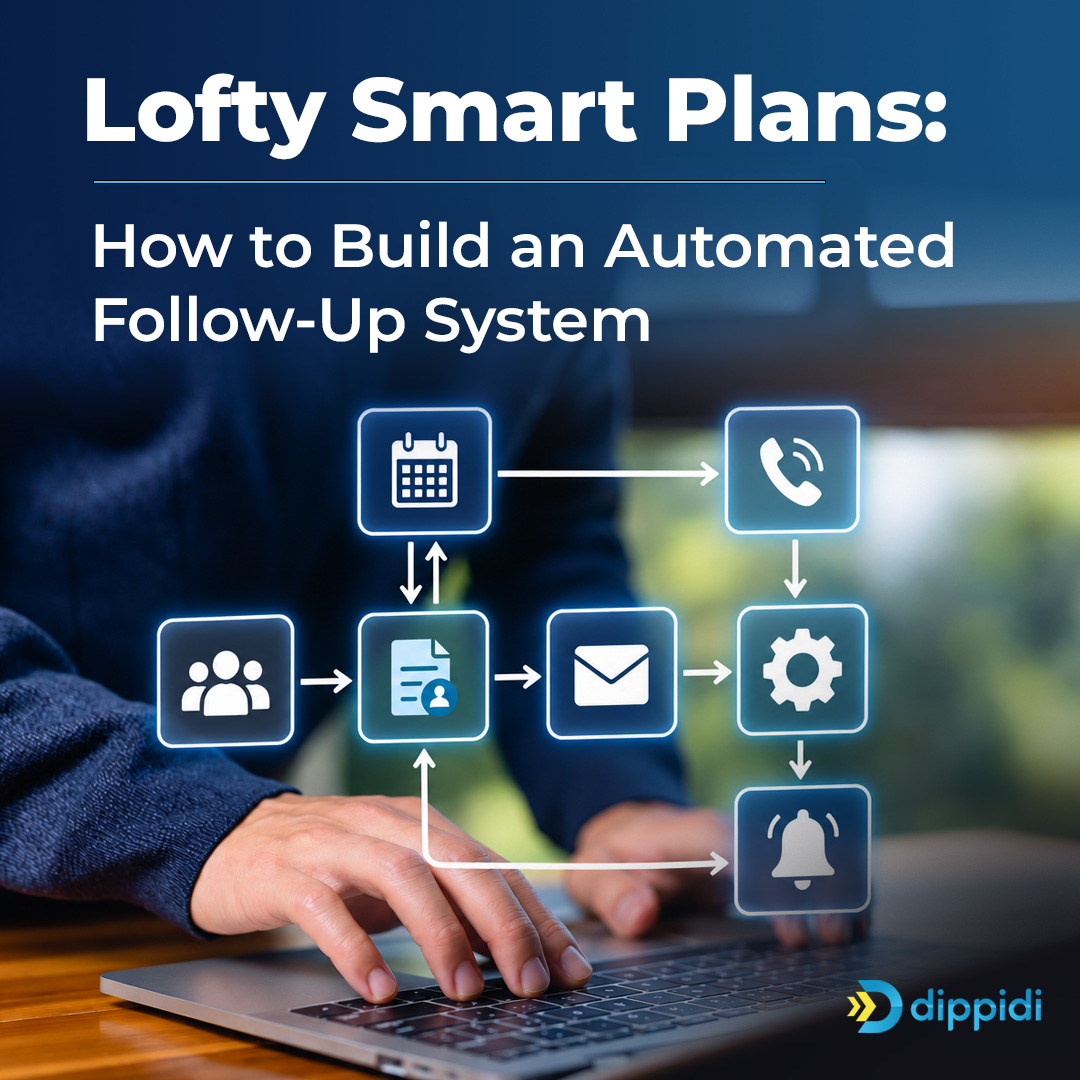
Generating real estate leads is only the beginning.
The bigger challenge is what happens after a buyer or seller enters your database.
Do they receive a text within minutes? Does someone call them? What happens if they don't respond? Are they still hearing from you a week later? What about three months later?
For busy real estate agents and teams, manually managing every follow-up can quickly become overwhelming. That's where Lofty Smart Plans can help.
With the right strategy, Lofty Smart Plans can turn your CRM into a more organized follow-up system that automatically creates tasks, sends communications, and keeps leads moving through your sales process.
In this guide, we'll break down how Lofty CRM automation can support your real estate business, what to include in your Smart Plans, and how to build a Lofty lead follow up system that combines automation with personal conversations.
What Are Lofty Smart Plans?
Lofty Smart Plans are automated workflows designed to help real estate professionals manage repetitive follow-up activities inside their CRM.
Instead of relying entirely on memory, sticky notes, calendar reminders, or manually checking your database every day, a Smart Plan can help create a predefined sequence of follow-up actions.
Think of it as building a roadmap for what should happen after a lead enters your CRM.
Depending on how you configure your workflow, your follow-up process might include activities such as:
- Email communication
- Text messages
- Call reminders
- Tasks
- Lead nurturing
- Follow-up reminders
- Long-term database touches
The objective isn't to remove the agent from the conversation.
It's to create a system that helps make sure opportunities don't disappear simply because you became busy with showings, listing appointments, negotiations, inspections, or closings.
Why Real Estate Agents Need an Automated Follow-Up System
Real estate leads don't always operate according to your schedule.
Someone might register on your website at 9:00 p.m. A homeowner might request information while you're sitting in a closing. A potential buyer could start searching for properties while you're showing homes to another client.
And many of those people aren't ready to schedule an appointment immediately.
Some buyers are months away from moving. Some homeowners are simply researching their property's value. Others may ignore your first few attempts to reach them before eventually responding.
That creates a major challenge.
You need to stay persistent without spending your entire day manually chasing leads.
A well-designed Lofty CRM automation strategy helps solve that problem by creating consistency.
Rather than deciding what to do with every lead individually, you build repeatable processes for different types of prospects.
Start With the Lead Journey, Not the Automation
One of the biggest mistakes you can make with CRM automation is automating something simply because the software allows you to do it.
Before building a Smart Plan, ask:
What should happen with this lead next?
Map out the ideal journey first.
For example, imagine someone registers through a Facebook campaign offering a list of homes under a certain price point.
Your process might look something like this:
New Lead → Immediate Response → Call Attempt → Short-Term Follow-Up → Qualification → Appointment → Long-Term Nurture
Once you understand that journey, you can determine which steps should be automated and which should require personal involvement from the agent.
That distinction matters.
Good automation supports your sales process.
It doesn't replace it.
Step 1: Segment Your Leads Before Building Lofty Smart Plans
Not every lead should receive the same follow-up.
A first-time homebuyer shouldn't necessarily receive the same messages as a homeowner requesting a property valuation.
Before building your Lofty Smart Plans, identify the major types of leads entering your database.
You might create separate plans for:
Buyer Leads
These could include IDX registrations, property inquiries, Facebook leads, Google Ads leads, relocation prospects, or people requesting buyer resources.
Seller Leads
These might include home valuation requests, listing inquiries, seller-guide downloads, or homeowners responding to advertising campaigns.
Open House Leads
Someone who physically visited an open house may require a different conversation than a person who casually registered online.
Past Clients
Your follow-up doesn't need to end after closing. Past clients can become valuable sources of repeat business and referrals.
Long-Term Prospects
Some leads have expressed interest but aren't ready to make a move. These contacts need ongoing nurturing rather than aggressive short-term follow-up.
Segmentation allows you to create communication that feels more relevant to the person receiving it.
Step 2: Build an Immediate Response Sequence
Speed matters when someone actively requests information.
Your first Smart Plan should address what happens immediately after a new lead enters Lofty.
A basic workflow could trigger an introductory message and create a task for the agent to make a personal call.
The automated message shouldn't pretend to be an entire sales conversation.
Its job is to open the door.
For a buyer, that might mean acknowledging their request and asking what they're looking for.
For a seller, it might mean confirming their inquiry and asking about their timeline or property.
Then the agent can step in and continue the conversation personally.
This combination is important.
Automation creates consistency. Human interaction builds the relationship.
Step 3: Create a Multi-Day Lofty Lead Follow Up Sequence
One unanswered phone call shouldn't automatically turn a new lead into a dead lead.
Your Lofty lead follow up workflow should account for people who don't respond immediately.
For example, a new lead sequence might include:
Day 1: Immediate introductory message + agent call task
Day 2: Follow-up task or message
Day 3: Helpful email related to the lead's original interest
Day 5: Another personal outreach attempt
Day 7: Value-focused follow-up
Day 10+: Transition into an appropriate longer-term nurture sequence if there has been no response
The exact timing and frequency should be adjusted based on your market, lead source, sales process, and communication preferences.
The important part is having a defined process.
Without one, follow-up tends to depend on how busy the agent happens to be that day.
Step 4: Make Your Automated Messages Sound Human
Automation becomes less effective when every message sounds like it came from a marketing robot.
Keep your messages conversational.
Instead of sending long promotional emails immediately, ask simple questions that make it easy for the lead to respond.
A buyer message might focus on what they're searching for.
A seller message might ask about their moving timeline.
An IDX lead might receive a question about whether they'd like help finding similar properties.
Remember why you're communicating.
The goal isn't simply to "touch" the lead a certain number of times.
The goal is to create a conversation.
Step 5: Mix Automation With Manual Tasks
Some actions can be automated.
Others shouldn't be.
That's why effective Lofty CRM automation should include tasks for the agent alongside automated communications.
For example, your Smart Plan might send an initial message automatically but then create a call task for the assigned agent.
If the prospect responds and indicates they're planning to purchase within the next 90 days, the agent may need to take over personally.
Automation can handle repetitive actions.
Agents should focus their time on the moments where judgment, expertise, and relationship-building matter most.
Step 6: Create Different Smart Plans for Different Lead Sources
Lead source can tell you a lot about context.
Someone who requested a home valuation may have a very different intent from someone who downloaded a neighborhood guide.
Consider building Lofty Smart Plans around your most important lead sources.
For example:
Facebook and Instagram Leads
Social media leads may need more education and nurturing before they're ready for a serious sales conversation.
Google Ads Leads
A person actively searching Google for real estate information may be further along in their decision-making process depending on the search and offer.
IDX Registrations
These leads have demonstrated interest in searching properties, so your follow-up can focus on their criteria, timeline, financing status, and desired neighborhoods.
Home Valuation Leads
Seller follow-up can focus on the property, potential selling timeline, market conditions, and whether the homeowner wants a more detailed pricing conversation.
Open House Leads
Your follow-up can reference the property they visited and ask whether they'd like information about similar homes.
Context makes automation stronger.
Step 7: Build Long-Term Nurture Into Your System
One of the most valuable uses of Lofty lead follow up is staying connected with people who aren't ready today.
Real estate has a long sales cycle.
A buyer might be waiting for a lease to expire.
A homeowner might want to sell next spring.
A relocation prospect might be researching communities months before moving.
These people shouldn't necessarily receive the same high-frequency follow-up as a brand-new inquiry.
Instead, move them into longer-term nurture campaigns.
Those campaigns could include useful information such as:
- Market updates
- New listings
- Homebuying education
- Seller preparation tips
- Neighborhood information
- Homeownership resources
- Local real estate trends
- Relevant property alerts
The goal is to remain useful and visible so that when their timeline changes, your business is still familiar to them.
Step 8: Know When Automation Should Stop
More automation isn't automatically better automation.
You need rules for when a Smart Plan should pause, stop, or transition.
For example, if someone replies to an automated message, you may want the assigned agent to take over the conversation.
If a lead schedules an appointment, continuing to send messages asking whether they'd like to schedule an appointment creates a poor experience.
Similarly, someone who becomes an active client may need to move from a lead nurture plan into a different communication process.
Think through your exit conditions while building each Smart Plan.
Your automation should respond to what's happening in the relationship rather than blindly continuing a sequence.
Step 9: Review Your Lofty CRM Automation Regularly
Don't build your Smart Plans once and forget about them.
Your campaigns should evolve based on what you learn.
Review questions such as:
Are people responding to your first message?
Which lead sources generate the most conversations?
At what point do leads tend to reply?
Are certain emails getting engagement while others are ignored?
Are agents completing the tasks created by the workflow?
Are appointments actually being generated?
Are leads receiving messages that no longer match their situation?
The answers can help you identify where your Lofty CRM automation needs improvement.
Small changes to timing, messaging, segmentation, and agent tasks can make your overall system more useful.
A Simple Lofty Smart Plan Framework
If you're starting from scratch, don't try to build dozens of complicated automations immediately.
Start with a few core systems.
A practical framework could include:
New Buyer Lead Smart Plan
Immediate response → call task → short-term follow-up → buyer nurture
New Seller Lead Smart Plan
Immediate response → property/timeline questions → call task → seller nurture
No-Response Smart Plan
Additional outreach → helpful content → reduced-frequency nurture
Long-Term Buyer Smart Plan
Market information → property updates → educational content → periodic personal check-ins
Long-Term Seller Smart Plan
Market updates → home value content → seller education → periodic personal outreach
Past Client Smart Plan
Homeownership content → market updates → anniversary/check-in reminders → referral opportunities
Once those foundational workflows are working, you can become more sophisticated with your segmentation and automation.
Automation Should Make Agents More Human, Not Less
The purpose of automation isn't to create distance between you and your prospects.
It's to give you more opportunities to have real conversations.
Without a system, agents can spend hours remembering who needs a text, which lead needs another call, and who hasn't heard from them recently.
With a thoughtful Lofty lead follow up process, the CRM can handle more of that organizational burden.
That allows agents to focus their attention where it matters most: talking with buyers, advising sellers, attending appointments, negotiating transactions, and building relationships.
Build a Complete Follow-Up System Around Your CRM
A CRM alone doesn't create a successful real estate sales process.
You need a connected system.
Your marketing attracts prospects.
Your landing pages and forms capture their information.
Your CRM organizes those opportunities.
Your Smart Plans support consistent follow-up.
Your agents create conversations.
And your sales process turns the right conversations into appointments and clients.
That's the bigger opportunity with Lofty Smart Plans.
Instead of treating your CRM as a database where leads accumulate, you can build workflows designed to help every new opportunity receive a clear next step.
Need Help Building a Better Real Estate Follow-Up System?
Dippidi helps real estate agents, teams, and brokerages build connected marketing and sales systems designed to capture leads, automate follow-up, nurture prospects, and create more opportunities for real conversations.
Whether you're looking to improve your CRM workflows, strengthen your lead nurturing strategy, or connect your advertising and lead generation to a more consistent follow-up process, Dippidi can help you identify where leads may be falling through the cracks.
Ready to build a smarter real estate marketing and follow-up system? Schedule a call with Dippidi and see how automation can help you spend less time chasing your database and more time having conversations with potential clients.


